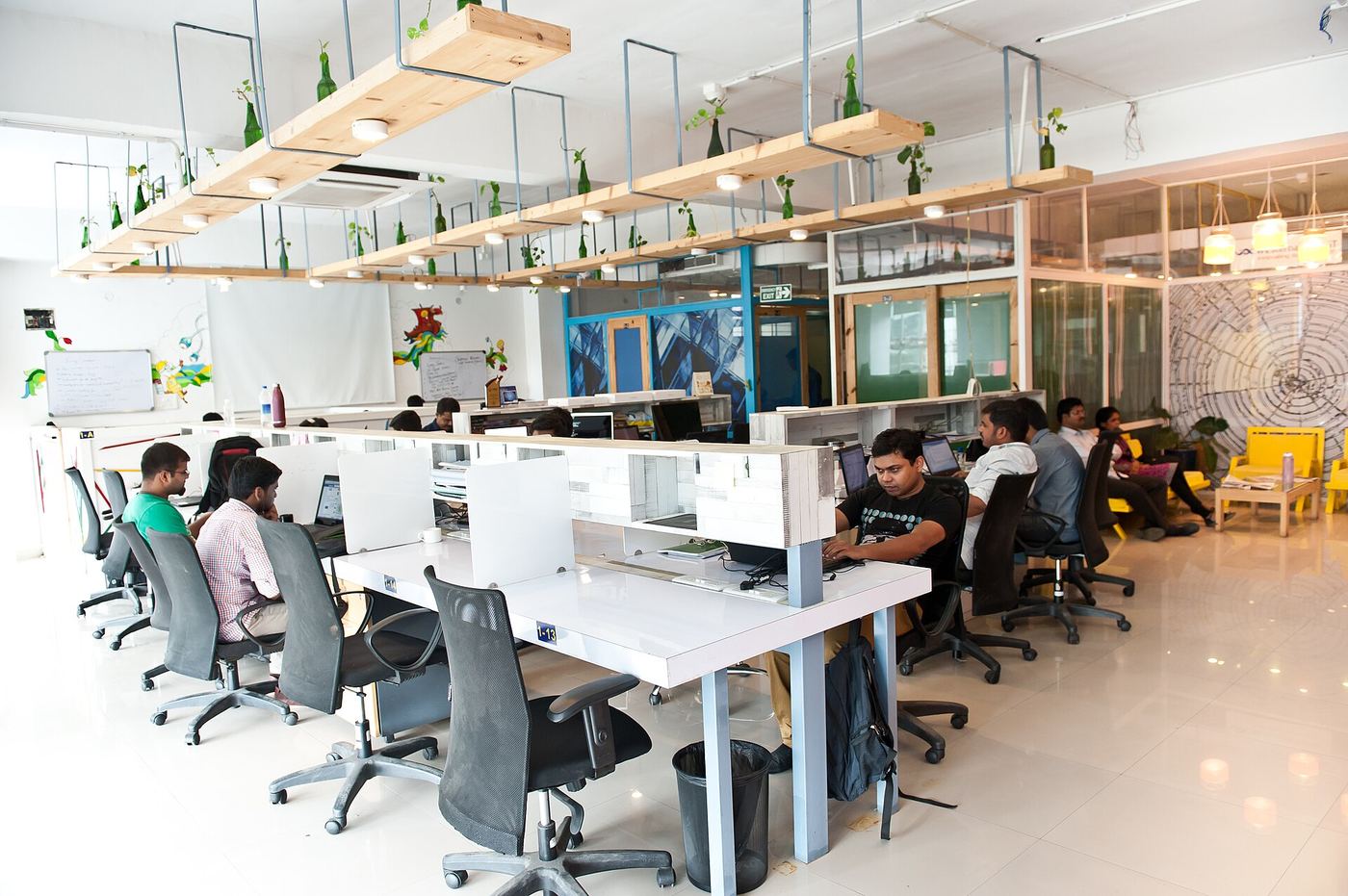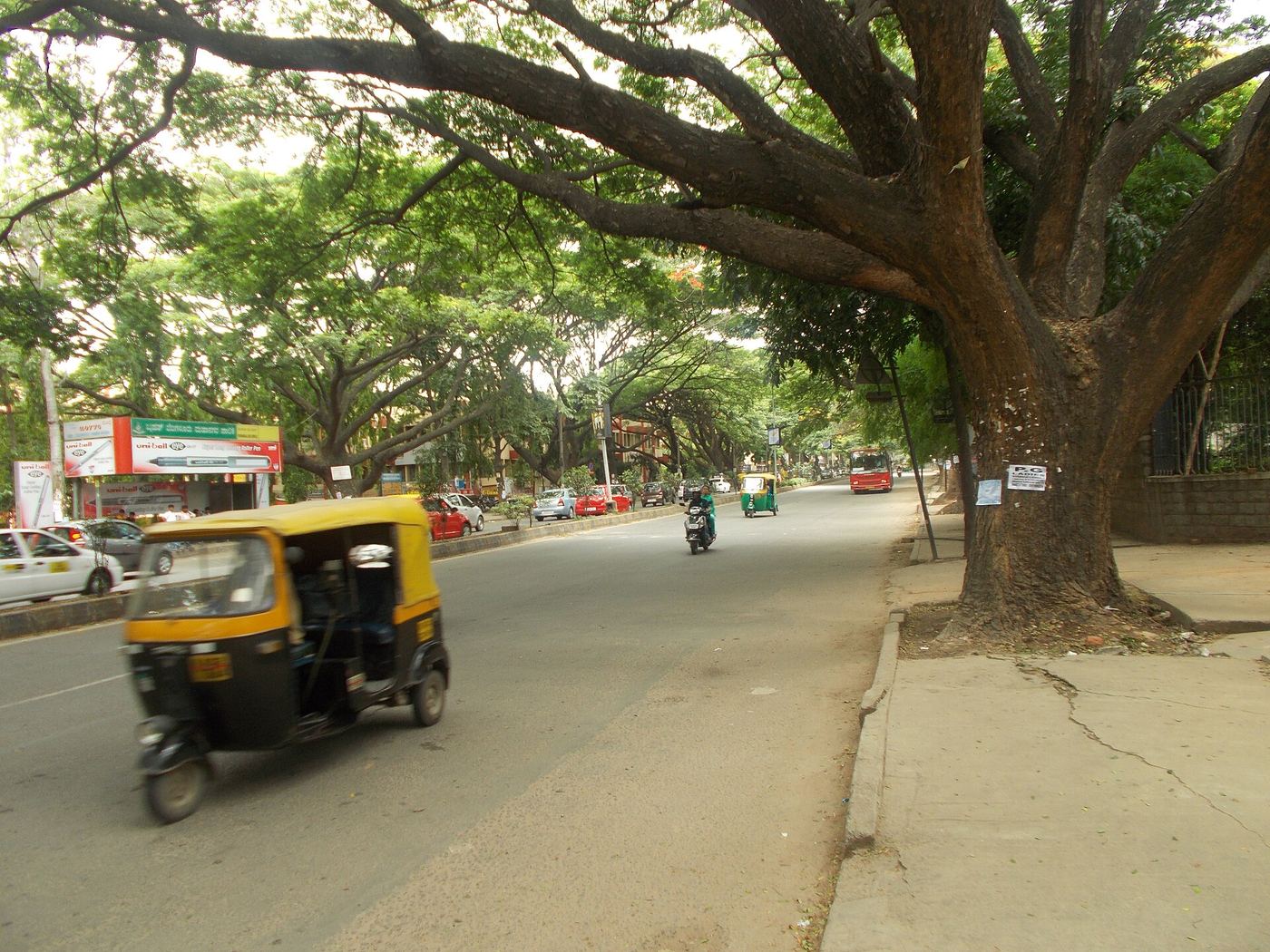
Koramangala was laid out as a quiet residential extension between the city and the new tech corridors. Its accident of geography — equidistant from Electronic City’s campuses and the Cantonment’s cafés — made it the place where the next economy chose to live.
The apartment as office. In 2007, two engineers started an online bookstore from a Koramangala flat; Flipkart became the template for a generation. Ola, Swiggy, and hundreds of less famous companies followed the same pattern: a block of flats, a whiteboard, a term sheet.
Capital forms a graph. Founders who exited became angels; engineers who vested became founders. The neighbourhood’s real infrastructure isn’t roads but edges — alumni networks of a few companies and colleges, dense enough that a founder can walk to most of their cap table.
The city as platform. UPI rails, cheap data, and a decade of app-first users turned Bengaluru startups from outsourcing’s children into product companies. The startup capital’s exports are no longer person-hours but platforms.
The open question. The tanks are gone or foaming; the traffic is a byword; the towers of Kempegowda are lost in the sprawl. The network era inherits the founding question of every grid this city has drawn: what structure must be laid down now for the city to still work when it doubles again?